Showing posts with label vitamin b2. Show all posts

Thursday, September 18, 2014

An Orange Autumn Enjoyment

 Orange is a powerful color that represents enthusiasm, determination, creativity, happiness, success, stimulation and fascination.


autumn healthy fruits


  Orange is the color of autumn, and is associated with healthy food. It is said that this color leads people to think about food and stimulate hunger.
  Plenty of orange food is all you need for this season. Therefore, we recommend the top three incredibly attractive and equally delicious and healthy orange products.

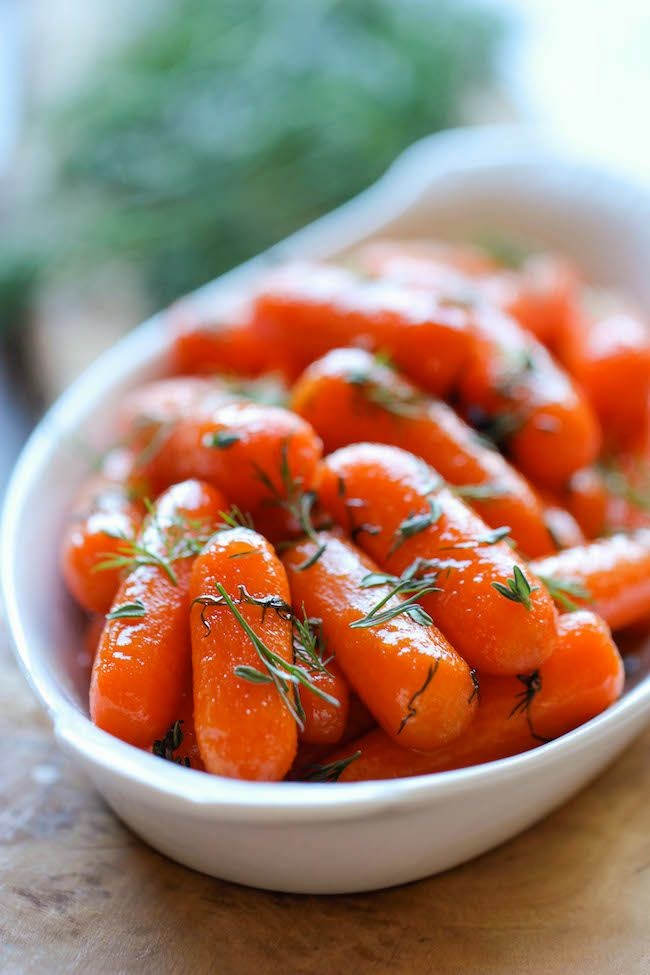
Carrots


  Carrots are very nutritious and healthful vegetables that can significantly contribute to improving our health.
healthy carrots


  They are a rich source of beta -carotene (a powerful antioxidant that participates in blocking harmful oxidizing processes in the body, one of pro-vitamins of vitamin A). One study found that people who consume more carrots have 40% lower risk of degenerative eye diseases, particularly macular degeneration, unlike others. 

 100 grams of fresh carrot has 41 k cal, a negligible amount of fat, provides 8285 mcg of beta-carotene and 16.706 IU of vitamin A. It also has high levels of vitamin B1, vitamin B2, vitamin B6, vitamin K, biotin, fiber, copper, calcium, potassium, manganese and phosphorus. Regularly consuming of carrots may help reduce the risk of premature aging (wrinkles, acne, dry skin, age spots), heart disease, stroke, breast cancer, lung cancer and colon cancer.

Sweet potato

 
  Sweet potato is a super cheap healthy food low in sugar, and the concentration of fiber is high. Not gaining weight, but gives energy and it is recommended in the diet of diabetics.


healthy sweet potato


  It offers a wealth of vitamin C (to boost the immune system), vitamin E (prevents aging of the skin), vitamin B-6 (for metabolism of nutrients into energy, especially protein), vitamin A (important for good eyesight, healthy skin, hair), vitamin D (essential for strong bones and teeth) and minerals - potassium, calcium, magnesium and iron. The ingredients of sweet potato positively affect brain activity, help to prevent heart attacks, stroke, stress, resistance to infections, asthma, arthritis, gout, colon cancer etc..

Pumpkin


  Pumpkin is a unique orange fruit without which it is difficult to imagine the autumn table.


pumpkin


  It can be consumed boiled, fried or baked. One cup of mashed pumpkin has 49 k cal, 12 gr. carbohydrates, 3gr.of fiber,2 gr. proteins, 37 mg of calcium, 22 mg magnesium, 1.4 mg iron, 1 mg zinc, 0,50 mg selenium, 12 mg vitamin C, 3 mg of vitamin E and 2,650 IU of vitamin A. 

 Pumpkin seeds are an excellent source of minerals, vitamins, proteins and omega 3 fatty acids. In folk medicine, pumpkin seeds are used as a means to regulate urinating and against intestinal parasites. Studies confirm that the pumpkin is useful for enlarged prostate, diabetes, macular degeneration, osteoporosis, high blood pressure and cholesterol, heart diseases and various skin diseases.

Tuesday, March 4, 2014

Vitamins From Group B


Today we are going to present you separately all vitamins belonging to the B group. Useful and interesting. Read.

Vitamin B1 - Thiamine


Vitamin B1 is in the group of water soluble vitamins, it is excreted through the water, and it has to be recovered daily.

The recommended daily dose for adults is 1.0 mg to 1.5 mg.


  It has a positive effect on the nervous system, psychological status and stress. Vitamin B1 is also used in the treatment of herpes zoster and for healing the toothache. If there is a deficiency of this vitamin usually occurs disease known as beriberi.


The best sources of vitamin B1 are:
Beer yeast, rice paddy, cereals, integral wheat, rye flour, peanuts, meat, milk and dairy products.

  Vitamin B1 works best in combination with other B vitamins and pantothenic acid, and it can be easily destroyed during cooking and obtaining alcohol.

Vitamin B2 - Riboflavin

  Vitamin B2 is in the group of water soluble vitamins, can be easily removed from the body, and like other vitamins it needs to be intake with the food.

The recommended daily dose for adults is 1.2 mg to 1.7 mg.

  During pregnancy and breastfeeding and taking birth control pills, you need to take larger amounts of vitamin B2.

  Vitamin B2 helps in growth and fertility, the preservation of healthy skin and bones, healing wounds in the mouth and tongue, improving eyesight.
  In the absence of vitamin B2 occurs disease ariboflavinosis with the appearance of sores on the mouth, lips, tongue, skin and genitals.


The best source of vitamin B2 are:
Beer yeast, milk and dairy products, fish and eggs.

Vitamin B2 is sensitive to light and alcohol. The best effect has in combination with other B vitamins and vitamin C.

Vitamin B6 - Pyridoxine

  Vitamin B6 is also amongst the water soluble vitamins, it is excreted from the body as well as other B vitamins, and has to be regularly taken with food and drinks.
Is is necessary to be taken into the body in case of diets, with allergies, and is required in the process of maturation of erythrocytes. In addition to this, Vitamin B6 participates in the creation of fat and protein, has a beneficial effect on the nervous system, slows down aging of the body, reduces muscle spasms in the legs and neck stiffness. Like other B vitamins ha also act as a diuretic.

  The best results are when is taken with other vitamins of B group, vitamin C and pantothenic acid. When we have insufficient amount of vitamin B6 in the body comes to anemia, inflammation of the skin and tongue.

The recommended daily dose for adults is 1.6 mg to 2.0 mg. and during pregnancy and lactation to 2.2mg.

 
The best sources of vitamin B6aforementioned articles of the vitamin B group, stating that in milk and dairy products we have only small amounts of this vitamin.

 
Sources of Vitamin B6

  High temperature, alcohol and frozen fruit act inconvenient to vitamin B6, and shrink its concentration in the body.

  In patients with arthritis, it is recommended regular intake of vitamin B6.

Vitamin B12 - Cobalamin

  Vitamin B12 belongs to the group of water soluble vitamins, and have a beneficial effect even in small doses. He is known as the red vitamin or cyanocobalamin. For its absorption in the body, it is necessary to combine with calcium and other vitamins of B group.


Vitamin B12 is responsible for the regeneration of red blood cells, and is used in the treatment of anemia, increases appetite in children, positively affects the nervous system, improves concentration, memory and balance, and reduces irritability of the body.
In the absence of vitamin B12 anemia occurs and various neurological disorders.

The best source of vitamin B12 is:
Liver, beef and pork meat, milk and dairy products.

On Vitamin B12 negative affect have: acids, alkali's, sunlight, alcohol.

The recommended adult dose is 2.0 ICG, and in pregnant and lactating women to 2.6 to ICG. 
 
  A beneficial effect has in combination with other vitamins of B group, vitamin C and folic acid.

  People who eat more vegetables and avoid consumption of meat and meat products, need increased amounts of vitamin B12. The elderly which absorption of vitamin B12 is slow, also have an increased need for it.